NASA’s New Spacecraft Will touch The solar
sunlight Probe Plus, launching in 2018, will fly by way of the solar’s corona.
November 30, 2015
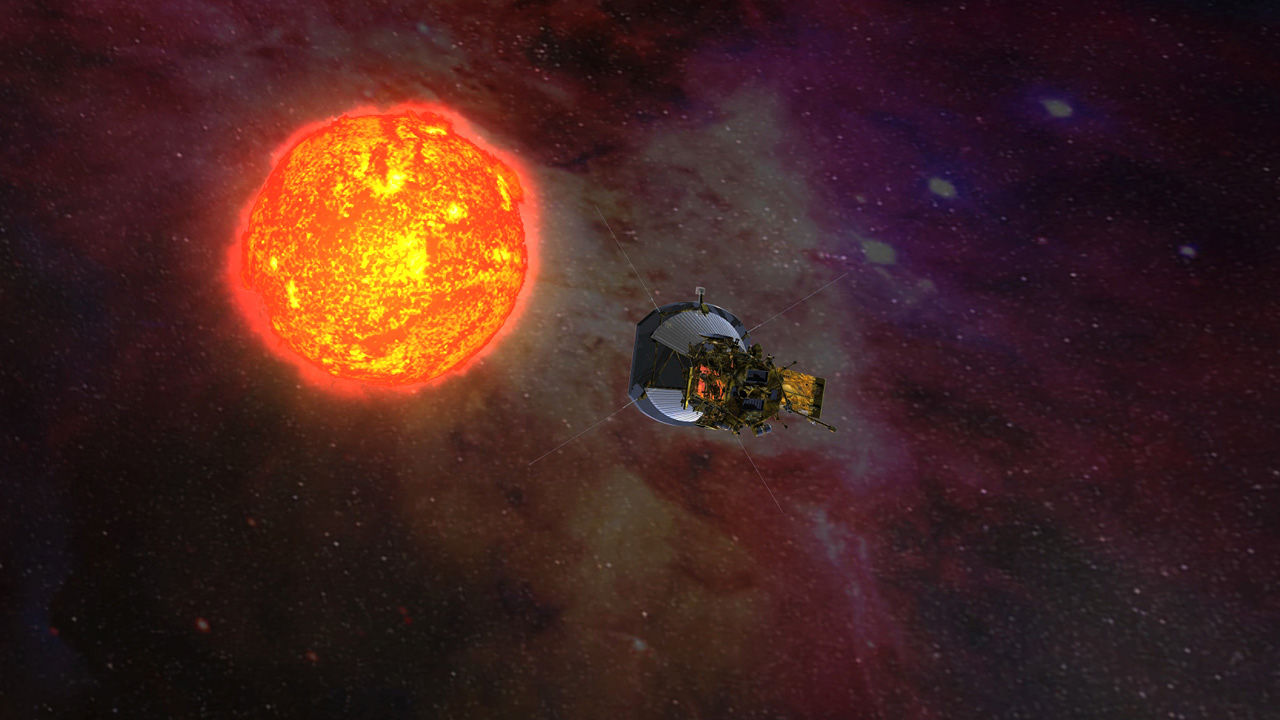
Scientists at NASA and Johns Hopkins college are working on an area probe a good way to actually contact the skin of the solar. NASA’s solar Probe Plus, which is currently being built, will value $1.5 billion and will lift an array of sensors into the solar’s corona, the place they are going to (hopefully) live on temperatures of two,500 degrees Fahrenheit to assemble data for later scientific use.
according to Forbes’s Bruce Dorminey, who spoke with Ralph McNutt of Johns Hopkins university, one of the crucial probe’s team leads, making a spacecraft that can continue to exist contact with the sun requires really extensive scientific mastery:
At its very closest manner of best 3.eight million miles from the sun’s floor, SPP will probably be subjected to as much as 475 times the sunlight irradiance experienced at Earth. hence, the science assortment phases of the mission during close encounters are designed to be self reliant. that is, with out actual-time direction from floor-controllers.
data taken all through these assortment phases will likely be saved on strong state recorders for subsequent downlink by the use of a high achieve antenna pointed again to Earth.
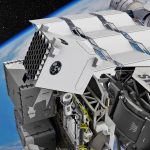
The probe’s thermal protection system is an 8-foot-diameter, 4.5-inch-thick, carbon-carbon, carbon foam protect that sits atop the spacecraft. basically, many of the entire spacecraft “hides” in the back of this shield all through the spacecraft’s closest option to the solar, says McNutt.
sun Probe Plus is being constructed by using NASA with the aid of Johns Hopkins college’s utilized Physics Lab and scientists from a number of different universities and institutes. The probe itself is expected to launch in 2018, and is imaginable thanks to latest scientific innovations that make it that you can think of to create spacecraft elements to be able to work while touching the surface of the sun.
[Image: NASA/JHUAPL]
(100)