Ditch the heavy machines and get a lightweight, cordless stick vacuum instead.

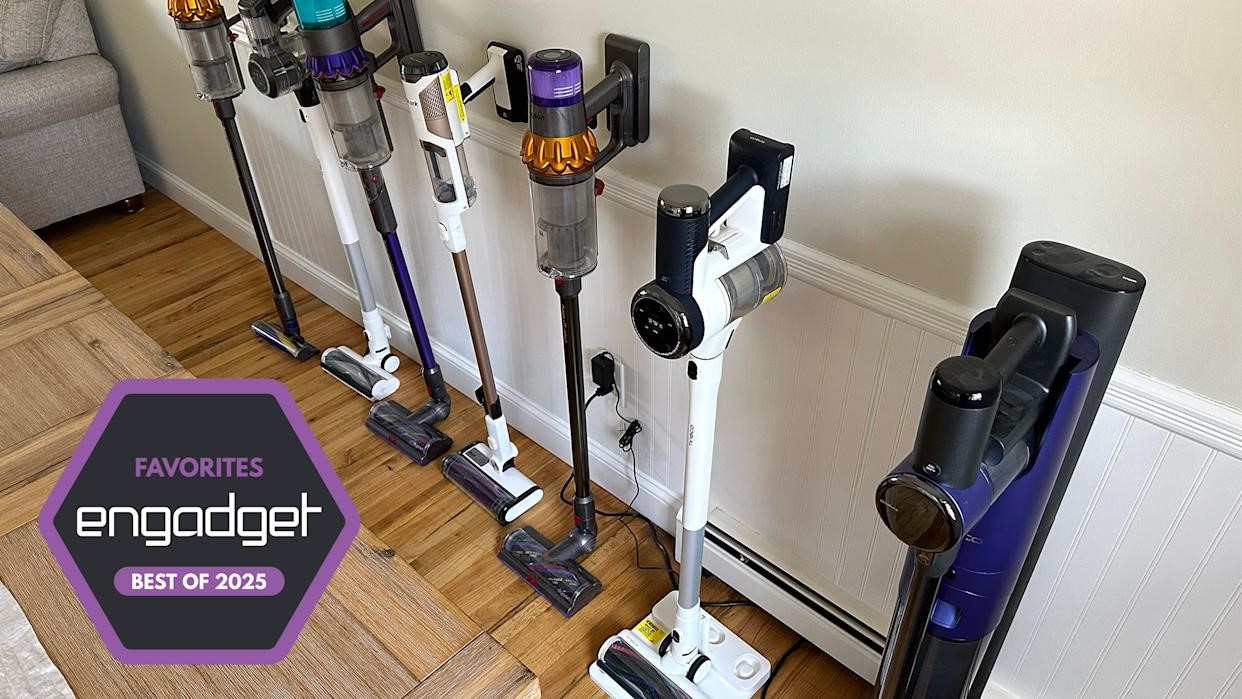
The vacuum world has gone cordless, untethering us from outlets and saving us fights with pesky wires. Cordless vacuums can be great alternatives to traditional corded models since they’re lightweight and easier to maneuver around your home. They’ve also gotten much more powerful in recent years. Some even come with extra features like app connectivity, self-emptying bases and more. But just like the robot vacuum space, there are dozens of cordless vacuums to choose from now (no, Dyson isn’t your only option).
Before you upgrade to a cordless vacuum it’s important to do your research. We at Engadget can help make your decision a bit easier. After testing a bunch of the most popular cordless vacuum cleaners available today, we’ve come up with our top picks, plus loads of buying advice to help you figure out which cordless vacuum is right for you.
Best cordless stick vacuum overall
Dyson V15 Detect
Runner up – best cordless vacuum overall
Shark Cordless PowerDetect Clean & Empty System
Best budget cordless vacuum
Levoit LVAC-300 Cordless Vacuum Cleaner
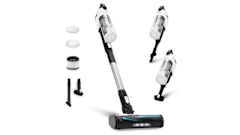
Best budget cordless vacuum – runner up
Levoit LVAC-200 Cordless Vacuum Cleaner
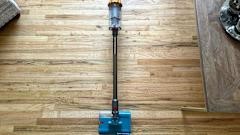
Best cordless vacuum and mop
Dyson V15 Detect Submarine
Table of contents
Best cordless vacuums for 2025
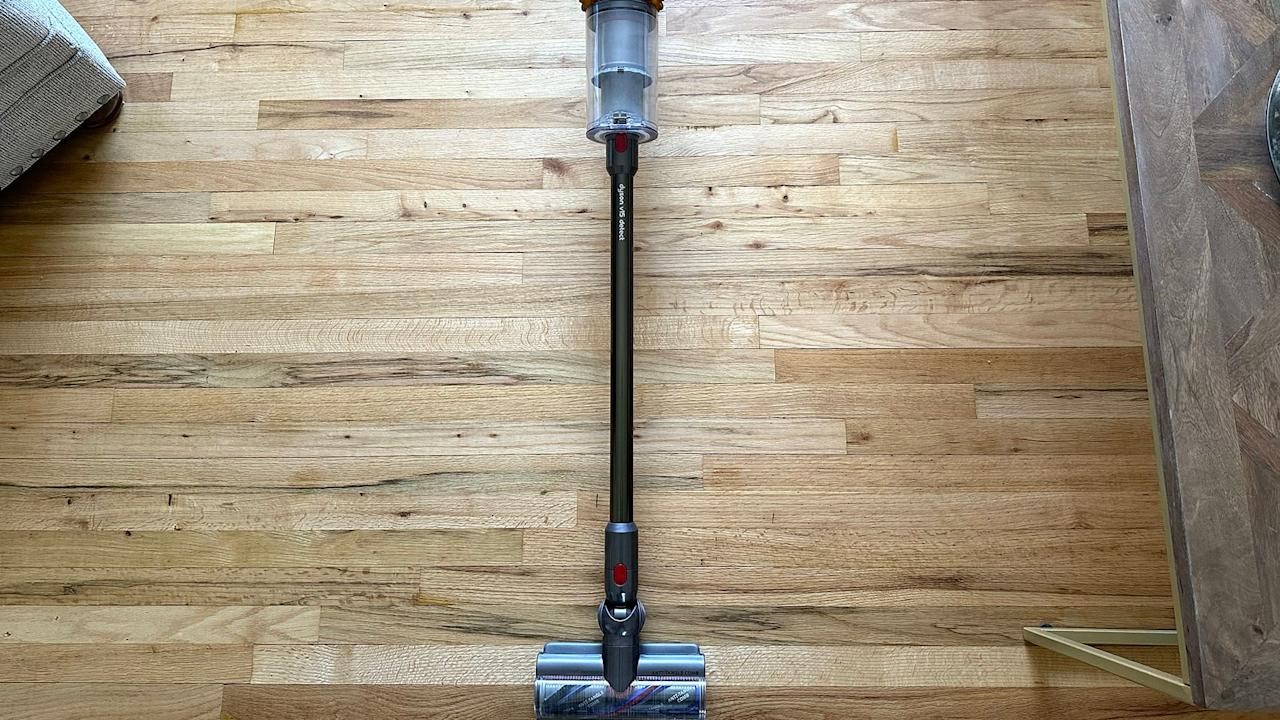
Photo by Valentina Palladino / Engadget
Best cordless stick vacuum overall
Dyson V15 Detect
One thing that was immediately apparent during my testing was that Dyson models just have superior suction, period. That’s not to say a cordless vacuum from another brand can’t get the job done, because they absolutely can. But even in auto mode, all of Dyson’s vacuums did a better job trapping even the smallest dust and debris.
The “Detect” in this model’s name refers in part to the laser “blade” on the Fluffy Optic cleaner head. It does a great job of illuminating floors to clearly show you where the mess really is, and that goes for large debris like food and granules of cat litter, as well as much smaller stuff like layers of dust on an untouched part of the floor. But it’s worth noting that this light is only present on the Fluffy Optic head, a brush roll designed to work best on hard floors. The V15 Detect comes with a few other head attachments, including a Digital Motorbar head that automatically detangles hair from the brush bar as you clean. That’ll be better for all floor types, including carpet, but you won’t get the same illumination effect.
The V15 Detect also has a piezo acoustic sensor that recognizes the size and frequency of the particles it’s sucking up. It’ll show that information on the machine’s LCD display in a neat little bar graph. Is this information useful? Not particularly, but it’s satisfying to clock this while cleaning and see the bars increase and decrease as you move throughout your home. However, this is more of a neat perk than a killer feature; it’s not going to change the way you vacuum your home. But the piezo sensor is also involved in automatically adjusting the V15 Detect’s cyclone engine to better clean particularly dirty floors.
That automatic adjustment is separate from the machine’s three power settings: Auto, Eco and Boost. I spent most of my time in Auto mode, every so often switching to Boost in rooms where I knew I needed a more thorough cleaning. Eco mode is convenient to have if you need to conserve battery life.
But the V15 Detect, like all of the other Dyson machines I tested, really stands out for its suction power. I rarely, if ever, had to go over the same spot twice because the V15 Detect captured all of the dust and debris the first time. In my one-cat household, it’s easy to see tufts of fur on our hardwood floors and tile, but they’re basically invisible on our upstairs carpet. But it didn’t matter if I could see fur or not — the V15 Detect collected all of it. After every cleaning the bin was full and I was consistently shocked by how much cat hair was hiding in my carpet.
As with most cordless vacuums, you get a number of attachments with the V15 Detect. In addition to the Fluffy Optic and Digital Motorbar cleaner heads, hair screw, combination and crevice tools are included in the box. I particularly like the hair screw tool, which is great for vacuuming chairs and couches, and the crevice tool is handy for cleaning car interiors and other tight spaces. The docking station must be mounted to a wall, but it’s separate from the vacuum’s charger, which means you can power up and use the V15 Detect before picking a permanent place for it in your home.
My biggest gripe with the V15 Detect is that it doesn’t have a single-button start like the newer and more advanced Dyson Gen 5 Detect and Dyson V15 Detect Submarine do. You must press and hold down the trigger to vacuum, which requires constant effort. However, that’s a small price to pay considering the complete package you’re getting. At $750, the V15 Detect is a machine on the higher-end of the price spectrum that’s well worth the money if you want an easy to use cordless vacuum that will provide a truly thorough clean every time.
- Fantastic suction power
- Includes Fluffy Optic cleaner head with illuminating blade light
- Relatively lightweight
- Good battery life
- No single-button start
- Headlight laser only on the Fluffy Optic cleaner head
$750 at Dyson
$850 at Amazon
Shark
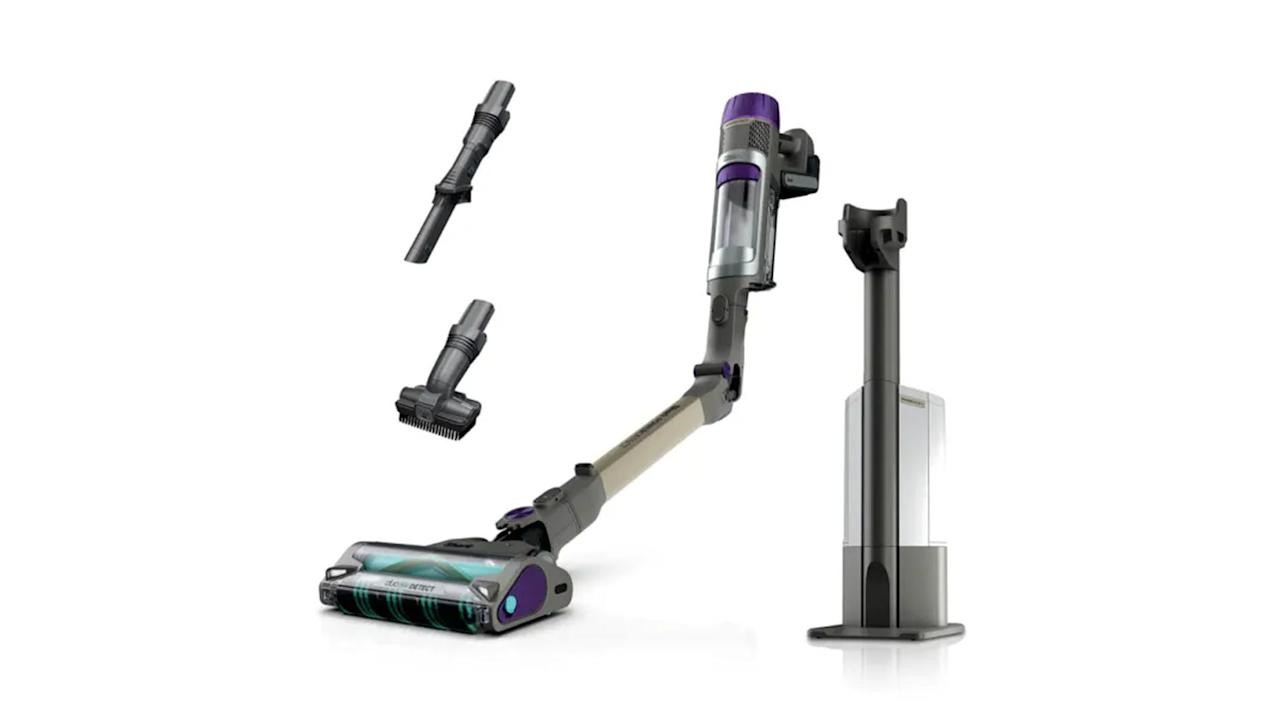
Runner up – best cordless vacuum overall
Shark Cordless PowerDetect Clean & Empty System
$400 at Amazon
LEVOIT
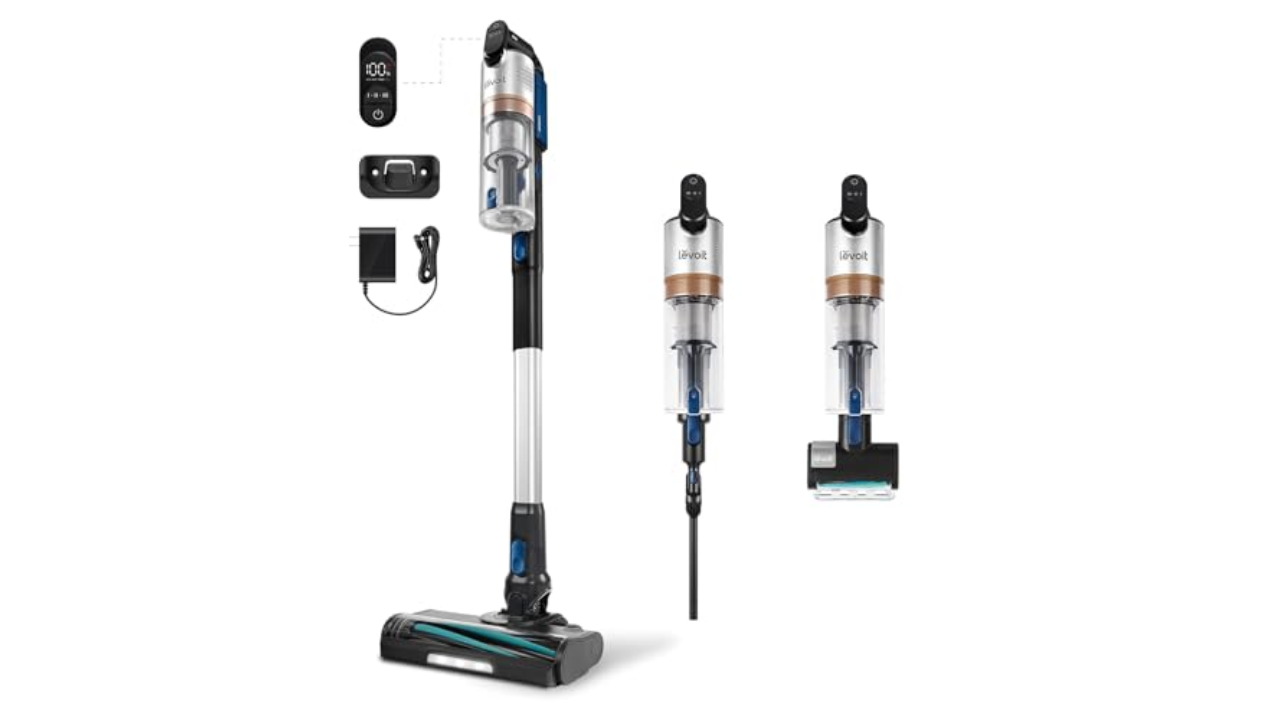
Best budget cordless vacuum
Levoit LVAC-300 Cordless Vacuum Cleaner
$270 at Amazon
$270 at Best Buy
LEVOIT
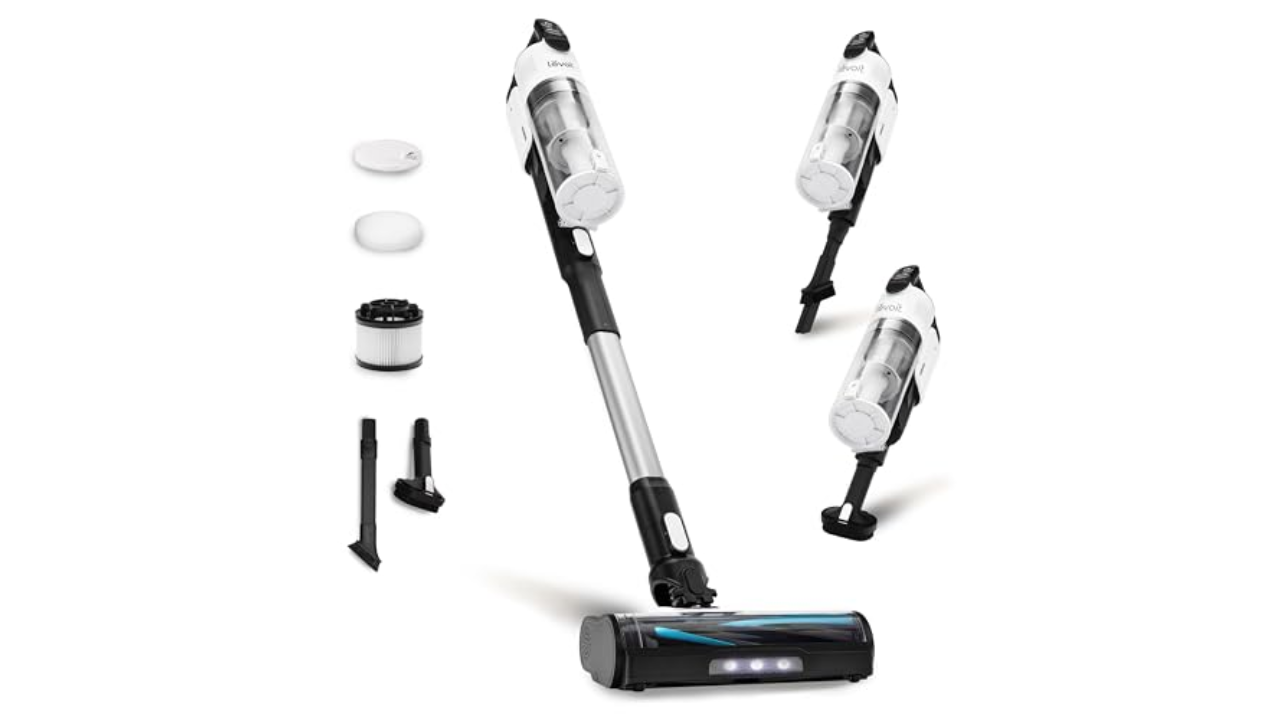
Best budget cordless vacuum – runner up
Levoit LVAC-200 Cordless Vacuum Cleaner
$150 at Amazon
$150 at Best Buy
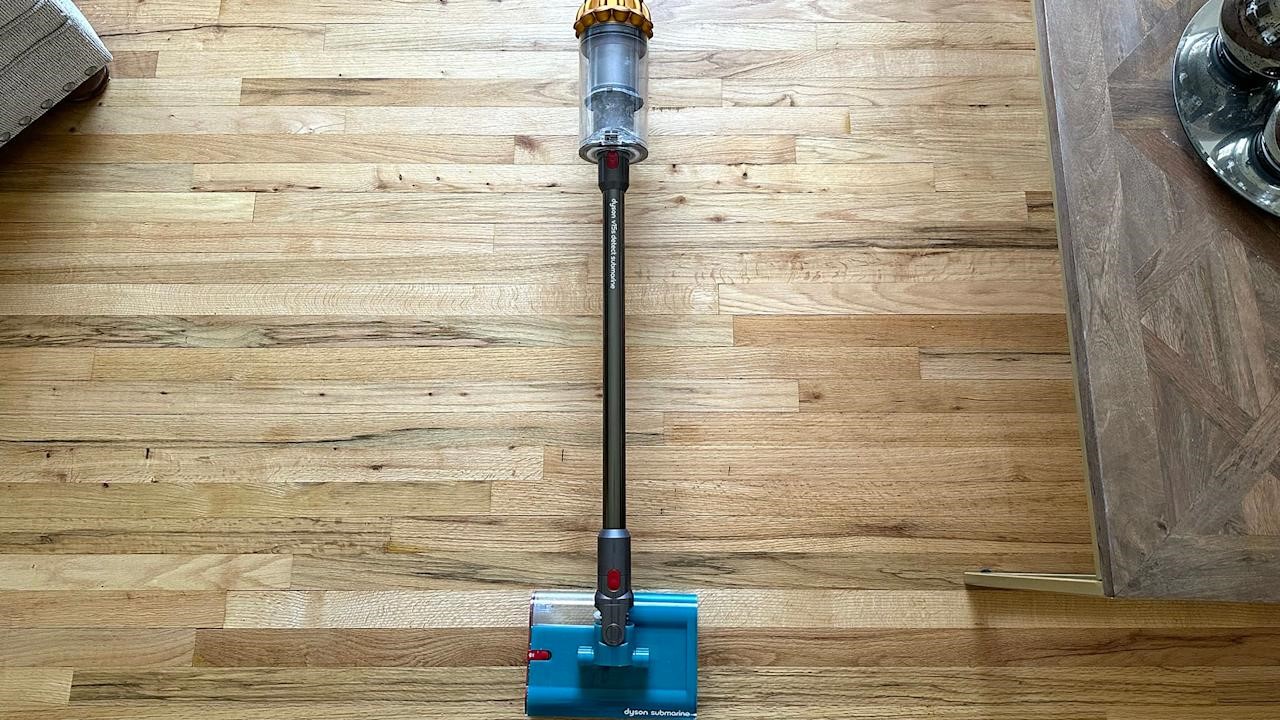
Photo by Valentina Palladino / Engadget
Best cordless vacuum and mop
Dyson V15 Detect Submarine
$1,050 at Dyson
$1,050 at Amazon
Tineco
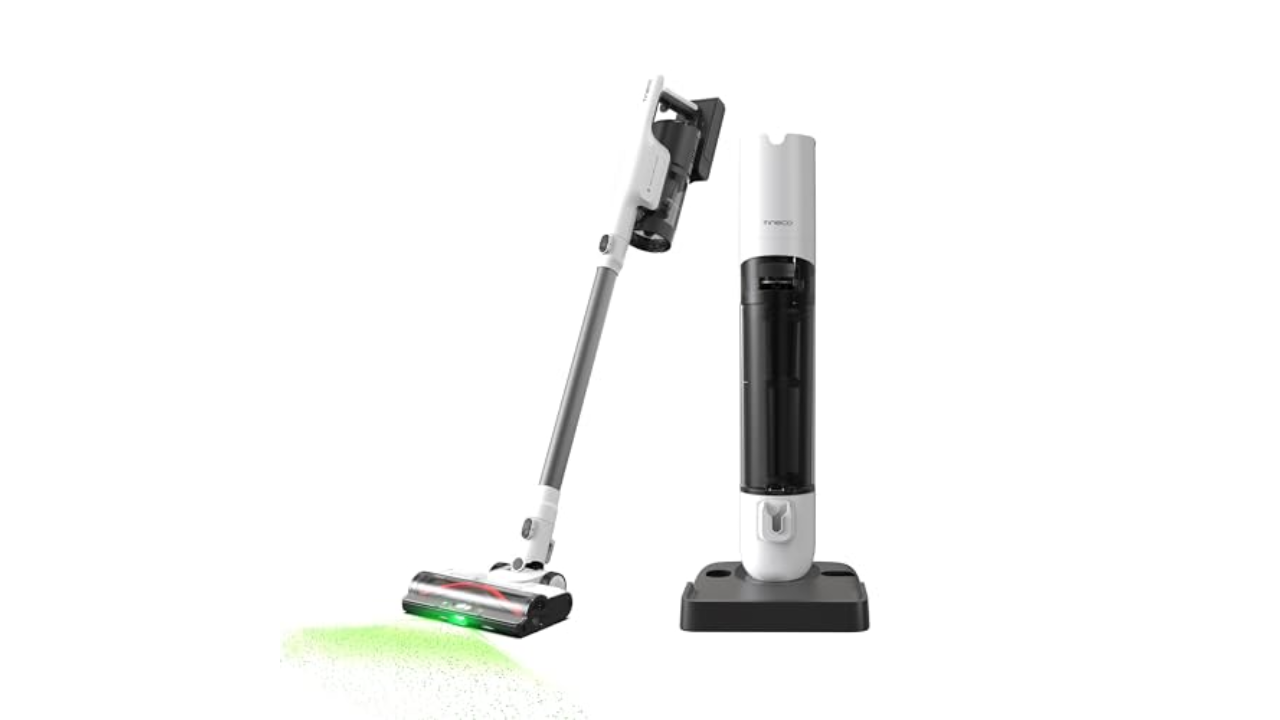
Honorable mention
Tineco Pure One Station 5
$459 at Amazon
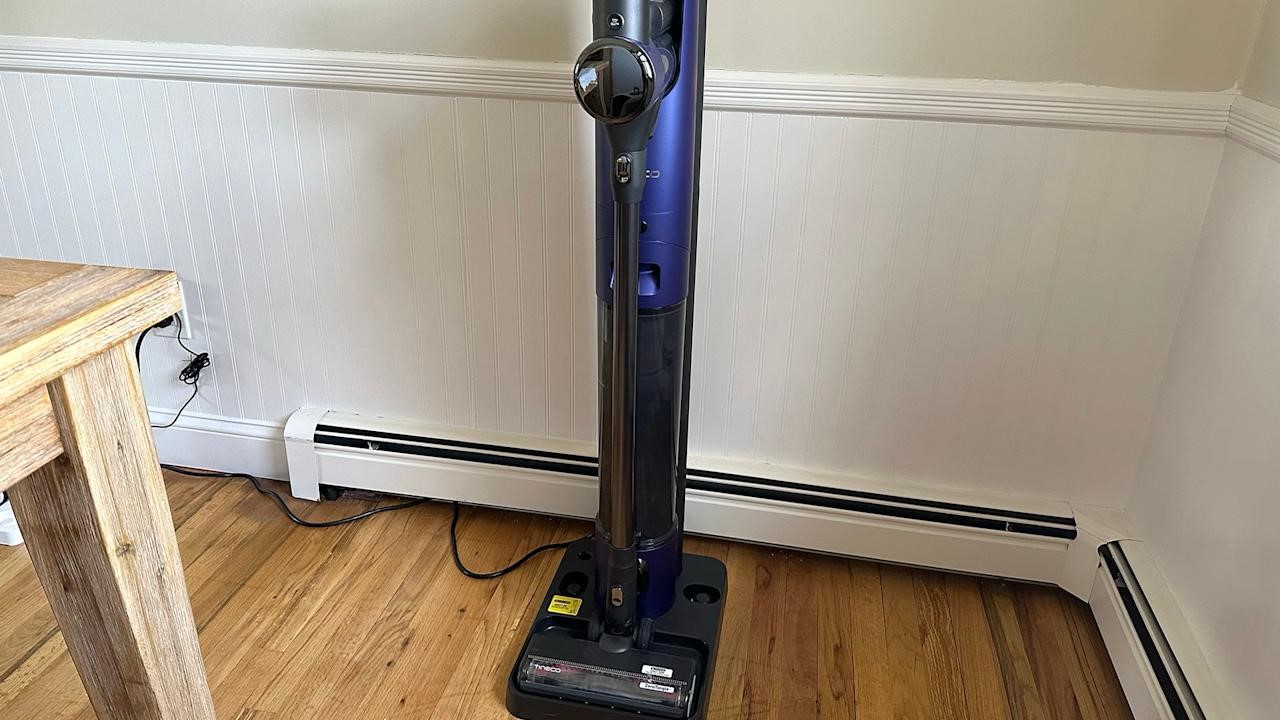
Photo by Valentina Palladino / Engadget
Honorable mention
Tineco Pure One Station FurFree
- Great suction power
- Includes self-emptying base
- Base empties bin and also cleans the vacuum’s brush and tube simultaneously
- Wi-Fi and app connectivity
- FurFree model is expensive
$299 at Amazon
Factors to consider before buying a cordless vacuum
Design and bin capacity
Most of the cordless models you’ll find today have stick designs, with a handle at the top attached to a debris bin, which has a space to connect different attachments at one end. These designs are more versatile than old-school, upright vacuums of yesteryear because, while you may use the long stick attachment most of the time to clean your floors, many cordless vacuums come with other attachments as well. Some allow you to clean hard to reach spaces like the interior of your car, while others make it easier to vacuum furniture and clean up inside crevices.
Some modern cordless vacuums also include practical features like an on/off button placed near your thumb for quick access, or an integrated LED light to help you see dust and debris under furniture or in darker corners.
Bin volume is worth keeping in mind when you’re choosing a cordless vacuum. The larger the bin, the more debris it can hold, but it might also mean a heavier machine. All of the cordless vacuums we tested had a bin size between 0.1 and 0.8 gallons and all were able to handle cleaning an entire one-pet home (roughly 2,000 square feet) in a single run without needing to be emptied. Anything smaller and you may have to deal with more frequent emptying during each cleaning session.
If you prefer a bagless design, all of the cordless vacuums in this guide fall into that category, making them easier and cheaper to maintain than bagged models. Some cordless models also have removable, replaceable battery packs, which is super handy. That means you can buy a replacement battery and install it easily, without needing to seek out professional assistance. Also, these extra batteries cost around $150-$200 a pop — expensive, yes, but nowhere near as costly as buying a whole new cordless vacuum.
Suction and power modes
Cordless vacuum suction power is typically measured in air wattage (AW), but you’ll see some that list the power of the motor in wattage (W) instead. Typically the higher the air or motor wattage the stronger the suction power, offering improved cleaning performance. And often strength is proportional to price — more expensive cordless vacuums tend to have stronger suction power. A general rule of thumb is that those with precocious pets or mess-making children would benefit from a cordless stick vacuum cleaner with stronger-than-average suction power.
Most cordless stick vacuums will have two different power modes: a “normal” or default power mode that balances suction power with battery life, as well as a “max” or stronger mode that kicks suction strength up a notch. Some vacuums, like Dyson vacuums, also have an “eco” mode, or one that prioritizes run time over strength.
Separate from power modes you can select yourself, some cordless vacuums will automatically adjust motor strength depending on the detected floor type or the amount of mess in its wake. This not only improves ease of use but ensures the vacuum is working as efficiently as possible.
If allergens are a concern in your home, look for models equipped with HEPA filters, which are designed to trap fine dust, pollen and other particles that can irritate sensitive noses and lungs.
Floor type
The best vacuum cleaners in the cordless category will be able to clean any standard floor type — hardwood, tile, carpet and everything in between. As mentioned previously, some can even detect floor type and adjust suction power accordingly. That said, it’s still worth thinking about the types of flooring you have in your home. If you primarily have carpet, you may want to consider a cordless vacuum with the most powerful suction you can afford, since there are more nooks and crannies for debris to get suck in with carpet.
Battery life
Obviously, battery life is important since you’ll probably want to clean more than one room in a shot. All of the cordless vacuums we tested had a battery life of at least 40 minutes in standard cleaning mode. I tested each by cleaning all three floors of my home (upstairs, downstairs and basement) on a single charge with the machine running in its standard (“auto”) mode and none of them ran out of juice before I could finish the third floor. That said, extra battery life can come in handy if you’re switching between power modes since “max” or high-power programs use more energy.
Base style
Most cordless stick vacuums come with some sort of base or mount where the machine lives when you’re not using it. Wall mounts are the most common, but some have free-standing bases where you dock and charge the vacuum. Consider the space in your home where you want the cordless vacuum to live, since it will have to have an outlet or another power source nearby.
Some high-end cordless vacuums come with auto-empty bases that act much like those included with expensive robot vacuums. After cleaning and returning the vacuum to the base, it will automatically empty the dustbin into a larger dustbin that you can then detach from the base when you need to empty it. This is great for anyone concerned about allergens, as you’ll only need to empty the larger dustbin every month or two, reducing your contact with dust and debris.
“Smart” features
Yes, some cordless vacuums have “smart” features like Wi-Fi and app connectivity. But before we get into those, let’s talk about the extra perks scattered among these devices. Some models, like the latest from Dyson, include particle sensors that show you how many different sized pieces of debris it’s sucking up in real time. Dyson’s, for example, is a piezo acoustic sensor that detects particle size and frequency and displays that information on the vac’s LCD screen. Tineco’s iLoop sensor is similar, controlling its vacuums’ automatic suction power adjustment and changing a circle on the display from red to blue as you fully clean an area.
Higher-end cordless vacuums may also have companion apps that show things like battery level, filter status and cleaning logs. It’s an added level of convenience, but by no means necessary. Unlike the best robot vacuums, or even the best budget robot vacuums, which rely on their apps to set cleaning schedules, manually control the machines and more, cordless vacuums that you operate yourself really don’t need Wi-Fi or an app connectivity.
Price
Cordless stick vacuums range in price from $150 all the way up to over $1,000. The best ones for most people lie in the middle, in the $400 to $700 range. You’ll notice most of our picks land in the higher end of that range, but for good reason: More expensive machines tend to have more sucking power, which means less time wasted going over the same spots over and over. But does that mean everyone needs the most premium cordless vacuum? Definitely not. We’ve come up with top picks at various price points that should work well for people with different budgets, lifestyles, home sizes and more.
How we test cordless vacuums
Engadget doesn’t have a dedicated lab in which we can test cordless vacuums, but I used each model in my home for weeks. I ran them over hardwood and tile flooring, as well as low-pile carpet. And my first runthrough consisted of cleaning all three floors of my home on a single battery charge. I performed the same cleaning job as many times as possible, but also intermittently cleaned a single floor as needed, or sucked up isolated messes like crumbs, cat litter spills and tufts of pet fur. Over the course of many cleanings with each model, I made note of how loud the machine was, how easy it was to maneuver around my home, how easily it sucked up pieces of large debris (or if it pushed it around my floor instead) and if they got warm or hot.
Other cordless stick vacuums we tested
LG CordZero Q3
The $329 CordZero Q3 is a perfectly capable vacuum with a single-button start, two manual power modes, adjustable suction technology that detects carpets and hard flooring and a cleaner head outfitted with LEDs to help you better spot all the dirt on your floors. But it’s ultimately just fine in comparison to our top picks; it’s not the most unique cordless vacuum or the most powerful, even though it will be enough to get the job done for many people. My biggest gripes with it are that you must charge it using the included base (which really works best when mounted on a wall — otherwise it’s just awkward) and it doesn’t have the smoothest handling.
Dyson Gen 5 Detect
The Dyson Gen 5 Detect has a single-button start and stronger suction power than our top pick, but it’s otherwise quite similar. However, since the Gen 5 Detect is more expensive at $950 (although it does receive discounts at Dyson online), the V15 Detect still provides greater value for your money. The Gen 5 Detect is arguably best for those who want the latest Dyson, or care about getting a more future-proof machine, since it came out just last year.
Shark Detect Pro
The Shark Detect Pro provides a lot of value for the money, but it was ultimately beat by the Tineco Pure One Station 5 for our runner-up slot thanks to the Tineco’s stronger suction power. The kicker for the Detect Pro is that it includes a self-emptying base in its $450 price, which is super handy. It’ll automatically dump the contents of the vacuum into the larger bin in the base after every cleaning, and you only need to empty the base’s container every month or so. The Detect Pro did a good job cleaning up messes across different types of flooring, and it’ll auto-adjust suction power depending on the amount of debris and whether you’re cleaning hard or carpeted floors. However, it’s not as smooth to use as any of our top picks and its main cleaner head is a bit tall, making it difficult to use to clean under low furniture.
Cordless stick vacuums FAQs
How long does the battery last on a cordless vacuum?
Most cordless vacuums will run for at least 30-40 minutes on a single charge, but you can find cordless vacuums with battery lives of up to 60 or 70 minutes. Manufacturers will outline an estimated battery life for each model, and they’re usually based on using the vacuum’s standard power mode for the entire runtime; if you switch between modes or prefer to use a higher-powered program for improved suction, you’ll drain the battery faster.
Can cordless vacuums be as powerful as corded ones?
Cordless vacuums do sacrifice a bit in overall power when compared to corded models, but that doesn’t mean they can’t handle everyday messes just as well. If suction power is your biggest concern, we recommend springing for a high-powered, high-end cordless vacuum since, typically, the more expensive a cordless vacuum is, the stronger the suction. Also, cordless vacuums have the edge over corded models when it comes to weight and convenience: cordless vacuums are much lighter than their corded counterparts, and you’ll never have to worry about placement or picking a fight with a cord while cleaning your living room.
Are cordless vacuums effective on pet hair?
Yes, cordless vacuums can handle pet hair well, but we recommend getting a model with strong suction power to get the best results. It’s also wise to get one with a larger bin, since pet hair can quickly fill up smaller bins, which may force you to stop cleaning to empty the vacuum before finishing.
What are the best methods for maintaining a cordless vacuum cleaner?
Maintaining a cordless vacuum is super easy and helps to keep it running like new. First, make sure to empty the dustbin regularly — don’t let it overfill, as this can impact suction. Many models have washable filters, so rinse them out every few weeks (check your manual for specifics) and let them dry completely before putting them back.
Next, take a look at the brush roll — hair and debris can get tangled up in there over time. Most vacuums make it simple to remove the brush roll, so you can snip away any tangles with scissors. If your vacuum has a replaceable battery, try not to let it fully drain too often, as this can reduce its lifespan. A quick wipe-down of the vacuum’s exterior and attachments will also keep everything looking fresh.
Lastly, keep an eye on the sensors and charging contacts, as dust can build up there too. A gentle wipe with a dry cloth every now and then will do the trick.
Can cordless vacuums also be used to clean curtains and upholstery?
Cordless vacuums are surprisingly versatile, and many come with attachments specifically designed for surfaces like curtains, upholstery and even mattresses. A handheld vacuum mode, which is common in cordless models, makes it easy to tackle these areas. Look for a soft brush or an upholstery tool in the attachments for the vacuum you’re considering — it’ll help remove dust and pet hair without damaging fabrics. For curtains, it’s a good idea to use a lower suction setting if your vacuum has adjustable modes. This prevents the fabric from getting pulled into the nozzle.
Check out more from our spring cleaning guide.
(62)
